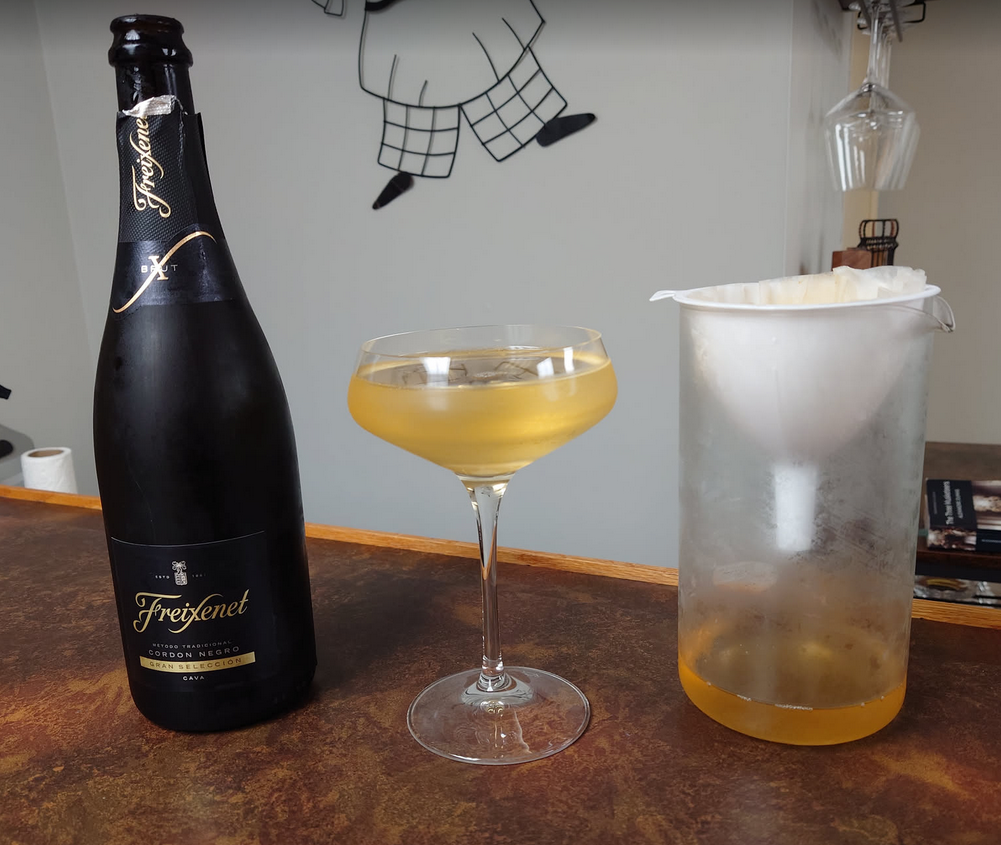
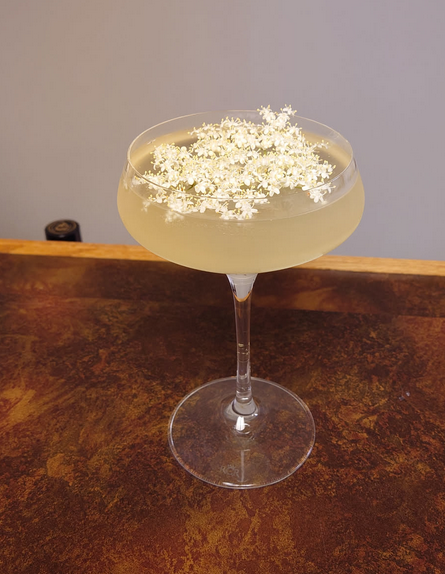
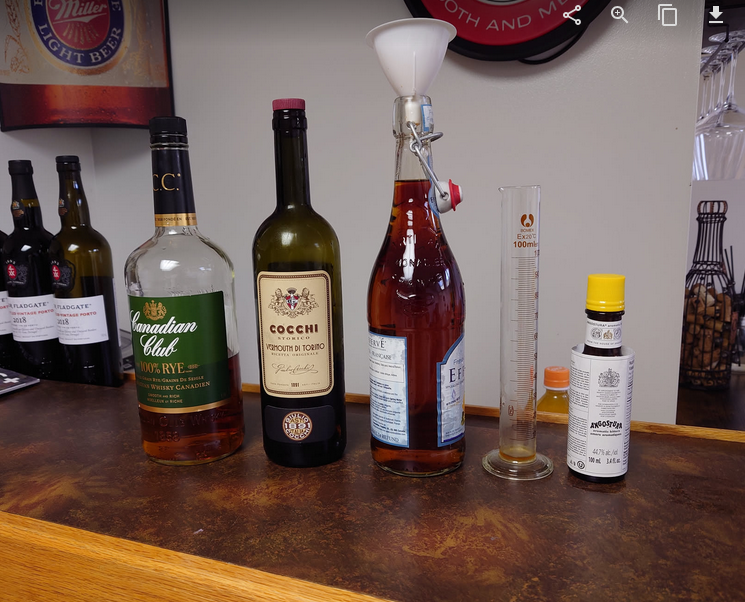
An interesting idea I have been playing around with recently is how to add various flavours to cocktails. There are 3 main methods that each accomplish the same task but have vastly different elements. The most common is juice which imparts a direct fresh flavours and can come in many forms. The next is flavoured syrups which use sugar and water to extract flavor and easily add it to a drink. The last is alcohol infusions which uses ethanol as a solvent to extract maximum flavor and elevate any cocktail.
Looking at these methods they may seem similar but in reality they each hold their own secret. Juices are the most direct where typically fruit juices are extracted and added directly to a cocktail. The main con is that typically these are delicate and degrade fairly quickly through oxidation. This can be most easily experienced by looking at freshly squeezed lemon juice vs lemon juice squeezed the previous day. When done right adding juices is un-paralleled but this isn’t easy to do in a home bar where you aren’t producing a large volume of drinks. The other main downfall is that juices dilute. If you are looking for a target abv it is exceedingly difficult to balance both flavor and abv which ultimately leads to compromise. (side note not all juices are created equal, lemon juice is very strong and potent while watermelon juice pretty much tastes like water).
This brings us to the second method: flavoured syrups. These are a bit hit or miss and could be covered by a book on its own. There a multiple methods of making them such as oelic extractions (extracting lemon oils with sugar), steeped extractions (steeping herbs in a sugar water bath and flavoured extractions where flavor concentrates are added to a sugar syrup. For now I’ll have these all under one umbrella but they truly do vary heavily. These benefit from the fact that most drinks typically add a sweetening agent so adding a flavoured syrup doesn’t affect the drink ratios and does not lead to excessive dilution while providing additional flavor. Another benefit is that many flavors taste different based on sugar content. Pure strawberry extract is actually fairly bitter and only opens up once you add some sweetness. The downsides are that flavoured syrups take a fair bit of prep work and do go bad so once again in a low volume home bar it is not feasible to have many flavoured syrups.
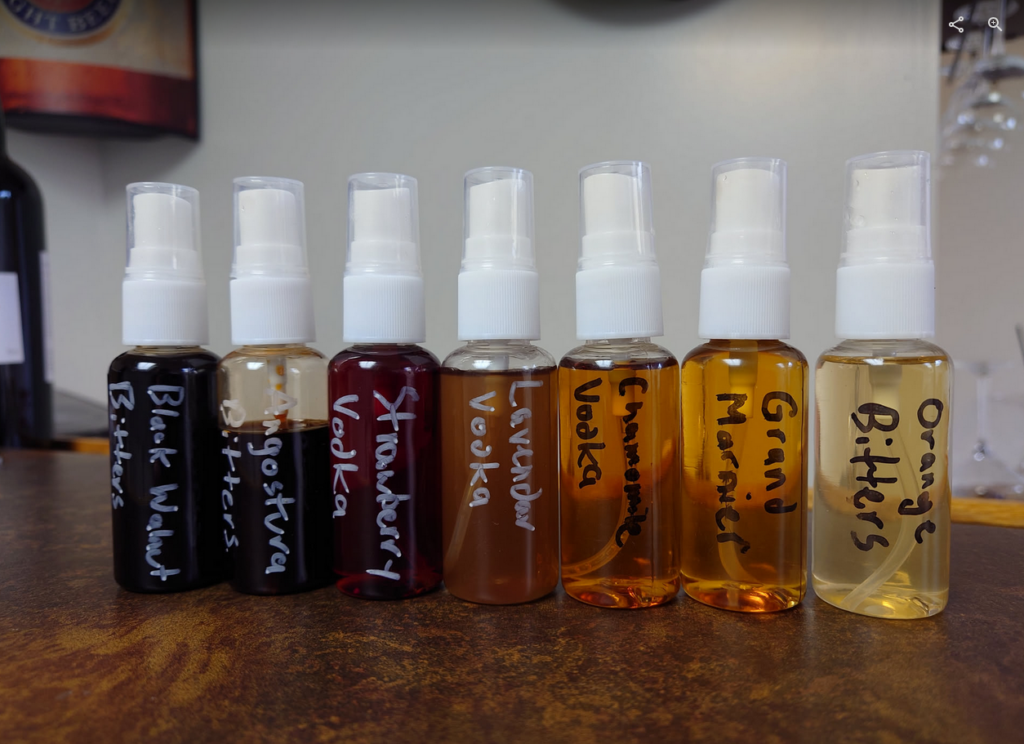
The third main method, alcohol infusions, take a more chemistry based approach. The industry term for this would be a solvent extraction with ethanol (drinking alcohol) being the solvent. This method is arguably the best for extracting flavor since ethanol has some non-polarity to it allowing it to better extract organic compounds which most flavor molecules tend to be. Another pro is that this method can be used with a variety of spirits leading to very customizable results. This ultimately means that the final cocktail will remain undiluted but will have maximum flavor. The con is that the term “flavor” is very loose. Alcohol has a tendency to extract everything, including both pleasant favourable compounds as well as astringent or bitter flavors as well. One method I have been playing around with is a double steep process where the compound being extracted is first extracted with a different solvent (hot water for example) and then extracted with alcohol. The main technical theory behind this is that every compound (solute) has some solubility in a particular solvent and concentration. If unwanted components are first removed with one solvent the remaining selected solutes can be extracted with alcohol. This blurs the line between art and science but the effects justify all the work and the product speaks for itself. I know there are plenty of pre-made infusions available in store but nothing will ever match the control or customizability of a home made infusion. The other main benefit, and the most important one to me is that alcohol infusions are shelf stable and so a wide variety can be made and kept in a bar for a long time (technically they do degrade but the shelf life is not comparable to fresh juices or sugar syrups)
This has been a bit of a rant but to me it’s incredibly interesting the amount of different ways there are to flavor a drink and the variability between each. I know that for a bulk of this text I have been referring to only 3 methods but there are many more each with their own benefits (fat washing for example) and the journey definitely does not end there. Ultimately it comes down to the chef which method to use for the drink and that is the most important thing for me.